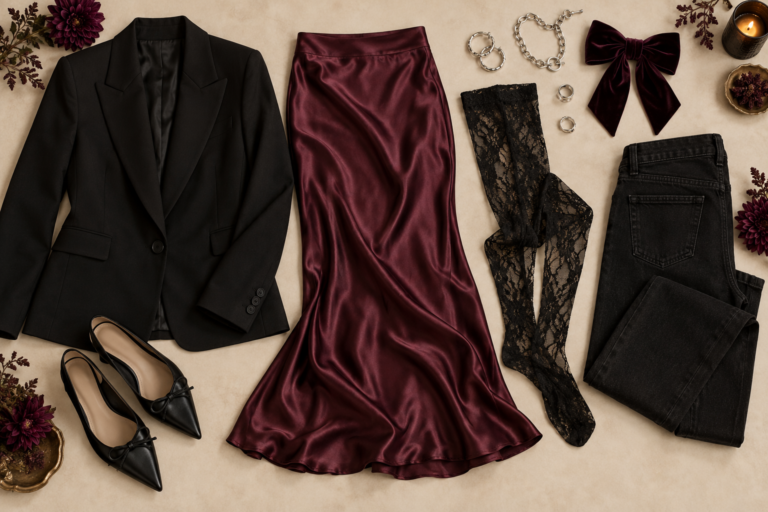
12 Plus Size Casual Work Outfits for Fall 2026
A casual workplace calls for outfits that look prepared without feeling stiff or overdressed.
These repeatable combinations use comfortable trousers, denim where permitted, cardigans, blazers, and practical shoes.
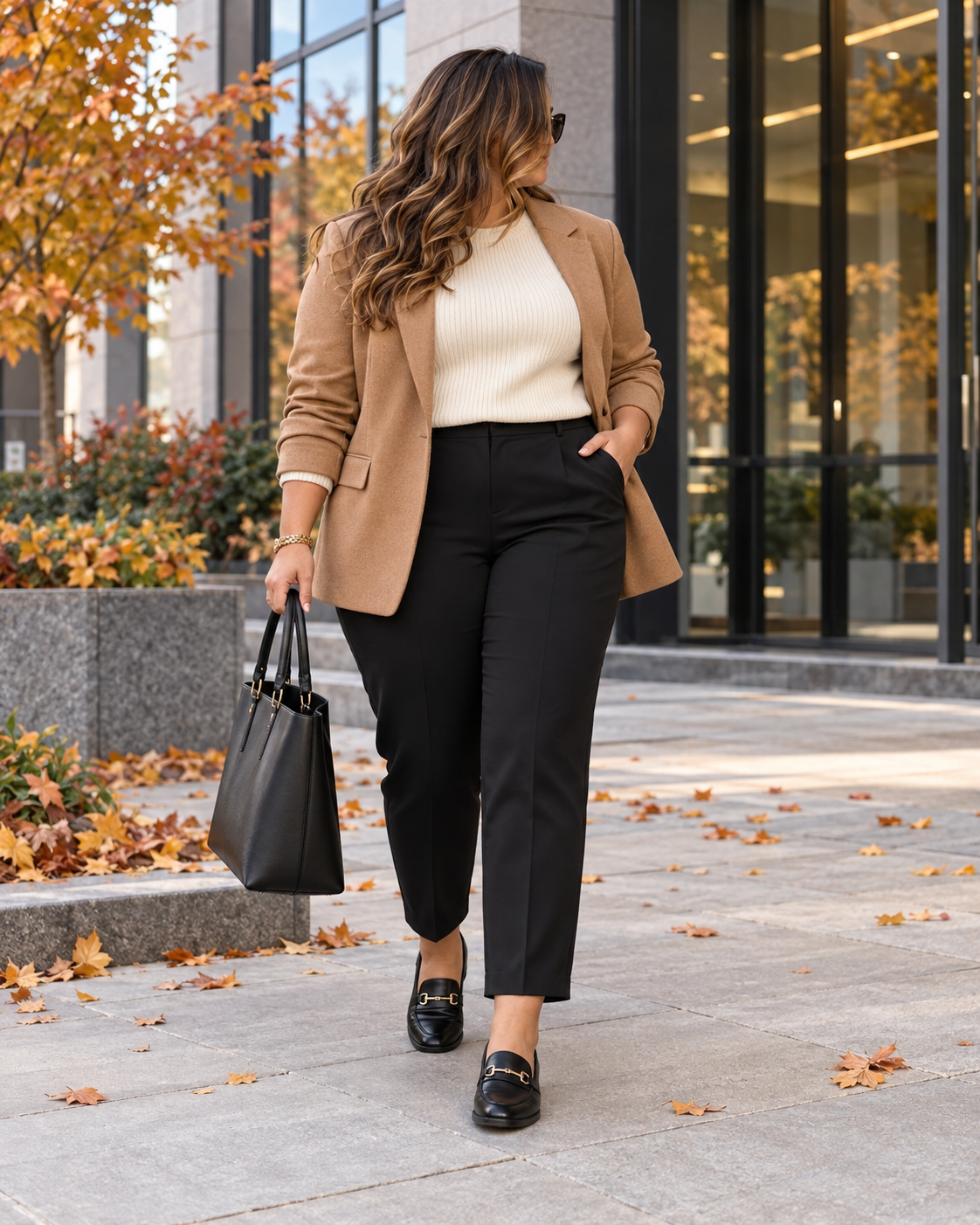
1. Black Trousers and Fine Knit
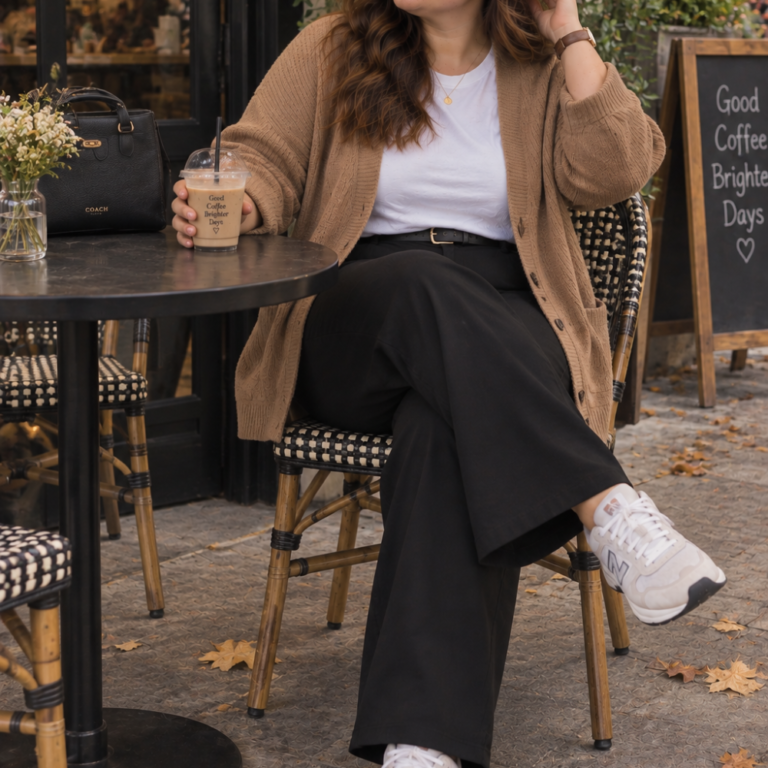
Straight black trousers, a soft sweater, and loafers make a reliable weekday outfit.
2. Wide-Leg Pants and Tee
Pair wide trousers with a fitted or semi-fitted tee and keep a blazer available for meetings.
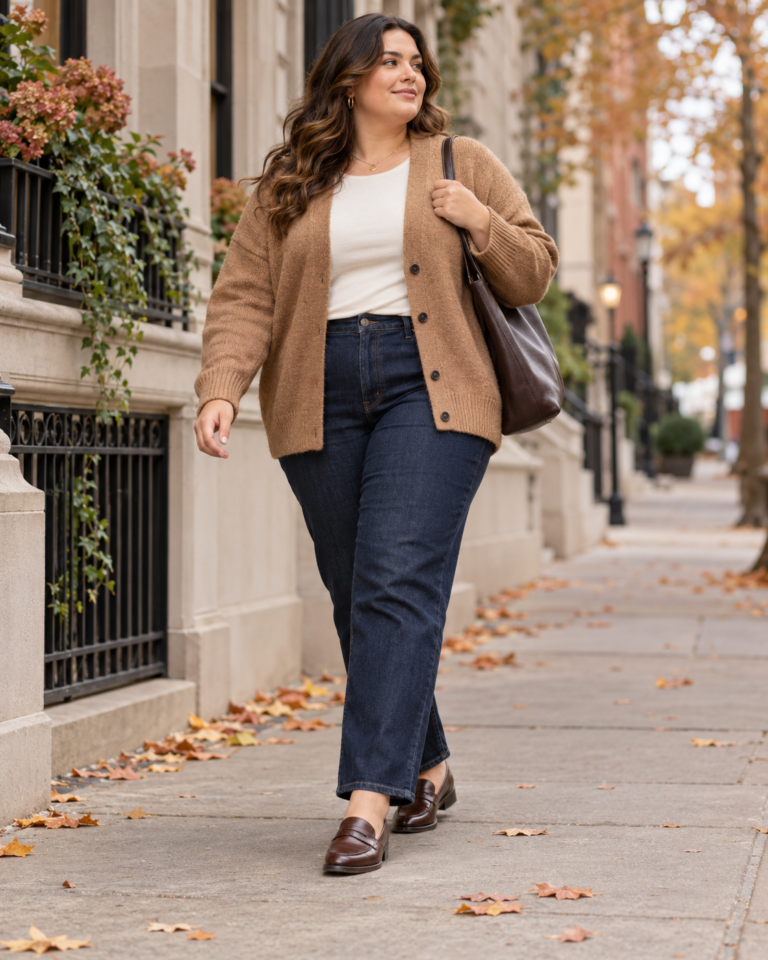
3. Dark Jeans and Blazer
When denim is allowed, choose a dark wash and add a blazer over a basic top.
4. Midi Skirt and Cardigan
A midi skirt with a cardigan buttoned as a top requires very little morning decision-making.
5. Column Dress and Long Layer
Wear a soft column dress under a long cardigan or blazer. Stretch matters for a full day of sitting.
6. Pleated Trousers and Button-Down
A relaxed shirt and pleated trousers feel modern. Roll the sleeves if the look feels too formal.
7. Monochrome Navy Outfit
Combine navy trousers and a navy knit, then add brown loafers or a burgundy bag.
8. Ponte Pants and Oversized Shirt
Structured ponte pants provide stretch while a longer button-down keeps the outfit polished.
9. Sweater Vest and White Shirt
Layer a comfortable sweater vest over a lightweight shirt with trousers or dark jeans.
10. Midi Dress and Cropped Jacket
A cropped jacket adds structure to a midi dress without requiring a belt.
11. Straight Jeans and Knit Polo
A knit polo looks more polished than a tee while staying soft and easy to layer.
12. Soft Suit Separates
Pair stretch trousers and a relaxed blazer with a plain tee. Supportive flats keep it usable all day.
Practical Styling Tips
Try the complete outfit while sitting, walking, and reaching rather than judging it only in front of a mirror. Check waistbands, hems, shoulder movement, and shoe comfort. A combination that works in real life is more useful than one that only looks good in a still photo.
Frequently Asked Questions
Do I need to dress to look slimmer?
No. Use proportion, color, and layering because you enjoy the result—not because your body needs to appear smaller.
Should every loose bottom have a fitted top?
No. Fitted tops create contrast, but relaxed shirts and sweaters can work beautifully too. A shorter hem, open layer, rolled sleeve, or small front tuck can add structure when you want it.
What makes an outfit feel polished?
Good fit, comfortable hems, clean shoes, and a clear color story usually matter more than adding many accessories.
Final Thoughts
Choose two or three comfortable bottoms, several easy tops, and layers that work together. Looking polished should not require feeling restricted for eight hours.
Begin With the Dress Code You Actually Have
“Casual workwear” can mean dark jeans in one office and tailored trousers in another. Before buying anything, notice what colleagues at your level wear on ordinary days, important meetings, and client-facing occasions. Build for the most common situation, then keep one slightly dressier layer available. A blazer, refined cardigan, or structured jacket can change the tone of a simple top and pants without requiring a completely separate wardrobe.
Comfort matters because work clothes must survive sitting, commuting, reaching, and temperature changes. Test waistbands while seated, make sure jacket sleeves allow movement, and choose shoes you can wear for the distance you actually walk.
A Reliable Fall Workwear Formula
Use a three-part formula: comfortable base, polished layer, practical shoe. A fine-knit tee with trousers becomes office-ready with a blazer and loafers. A simple dress feels more grounded with a cardigan and ankle boots. Dark jeans can work with a button-down and structured jacket when denim is permitted.
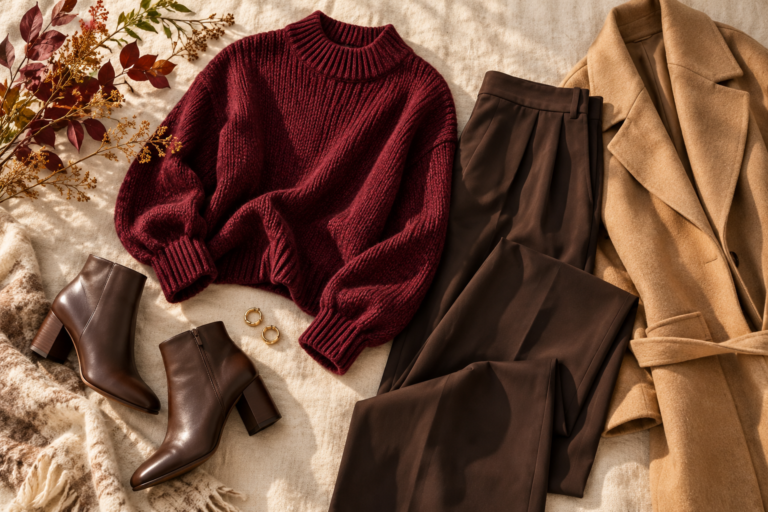
Repeating a limited palette makes mornings easier. Navy, charcoal, chocolate, camel, cream, olive, and burgundy mix naturally without forcing every item to match. Keep most pieces simple and let one color or texture provide interest.

How to Choose Work Trousers
Look for a waistband that stays comfortable after lunch and does not roll when you sit. An elastic back, stretch woven fabric, or side zip can give a cleaner front without sacrificing ease. Straight and gently tapered legs are easy with loafers, while wide-leg trousers work well with a fitted knit or softly tucked blouse.
Check pocket placement and fabric opacity in natural light. A pant can technically fit but still feel distracting if pockets flare or the material clings. Choosing a different cut is more useful than trying to “fix” your body.
Layer Without Feeling Bulky
Start with the thinnest layer next to the body. Fine knits, smooth tees, and fluid blouses sit more comfortably under cardigans and blazers than bulky sweatshirts. If you need warmth, add it through the outer layer: a lined trench, wool-blend coat, or substantial cardigan.
Keep one layer open when you want more movement. Rolling or pushing sleeves slightly can also make a layered outfit feel less heavy. The goal is not to create a “slimming” vertical line; it is to keep the pieces from fighting each other.
Shoes for a Real Workday
Loafers, clean sneakers, supportive flats, low ankle boots, and block heels can all be appropriate depending on the office. Prioritize a secure heel, enough toe room, and a sole suited to your commute. Keep desk shoes only if changing footwear genuinely makes your day easier.
For trousers, test the hem with the exact shoe. An ankle pant should reveal the shoe cleanly, while a full-length or wide leg should nearly reach the sole without dragging.
Make Each Outfit Feel Finished
A work outfit rarely needs many accessories. Small earrings, a watch, a belt when useful, and a bag that holds your daily items are enough. Steam or press the most visible pieces, remove lint, and keep shoes reasonably clean. Those practical details create more polish than uncomfortable shapewear or a complicated styling rule.
Three Easy Weekly Rotations
- Monday or meeting day: trousers, fine knit, blazer, loafers.
- Midweek: dark jeans if permitted, button-down, cardigan, ankle boots.
- Friday: knit dress, denim or utility jacket, clean sneakers.
Change the top color, jewelry, or outer layer instead of rebuilding every outfit from zero. Repetition is a wardrobe skill, not a failure of creativity.
Frequently Asked Questions
Can plus-size women wear oversized blazers to work?
Yes. Check shoulder placement and sleeve length so the blazer looks intentional, and pair it with a base layer that does not bunch. Oversized should still allow a clear shape and comfortable movement.
Are leggings acceptable for business casual?
It depends on the workplace. If they are allowed, choose an opaque pair and combine them with a substantial top or jacket and polished shoes. When unsure, trousers are the safer option.
How can I stop overheating in fall layers?
Use breathable base layers and removable outer pieces. Avoid stacking several heavy knits, and choose an unlined blazer or cotton cardigan for warm offices.
Final Workwear Note
The best fall work wardrobe is repeatable. Choose comfortable bottoms, tops that layer smoothly, two dependable shoes, and one or two jackets that create the level of polish your office expects. When every piece works for a full day, getting dressed becomes much simpler.
Translate the Dress Code Before Shopping
“Casual workwear” can mean very different things. A creative office may welcome clean sneakers and denim; a client-facing workplace may expect trousers, closed shoes, and a jacket. Look at what colleagues wear on ordinary days and check any written policy before using the casual examples here. For a new role, start with a simple trouser outfit and adjust once you know the environment. Comfort and professionalism can coexist without a uniform formula for every workplace.
Plan for the Commute and the Office
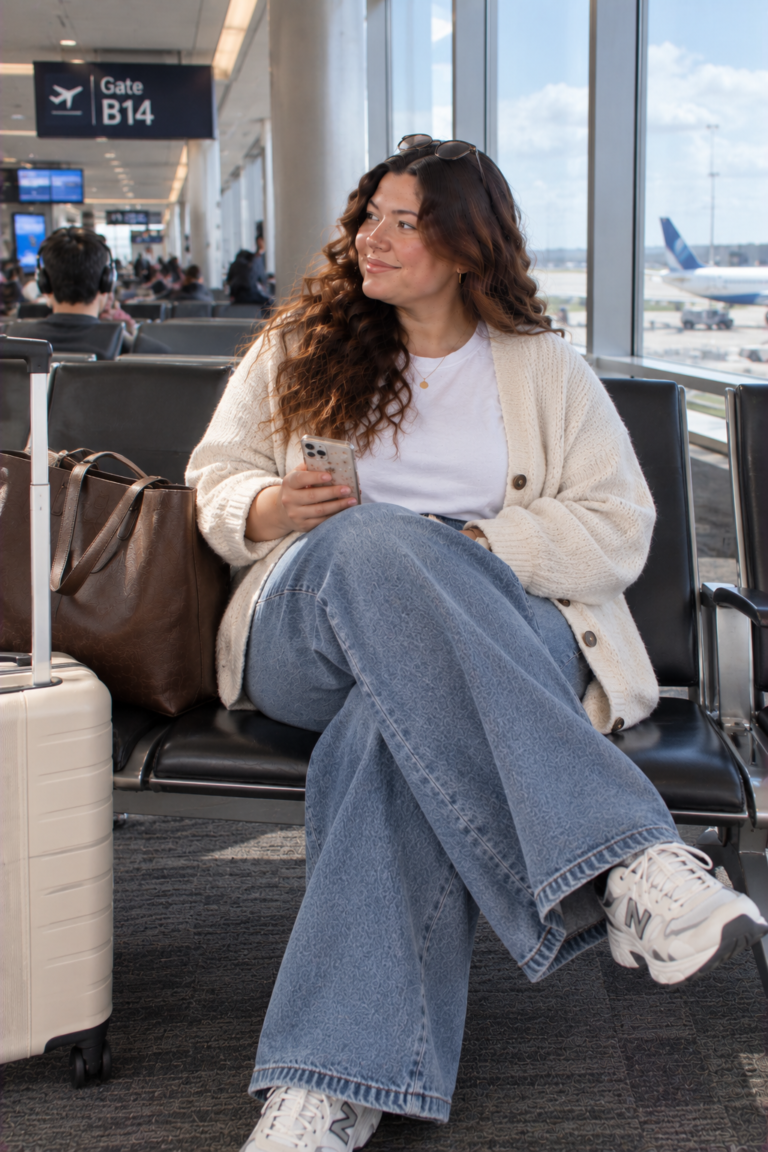
A fall morning can be cool while the office is warm. Wear a breathable tee, blouse, or knit shell under a removable cardigan or unlined blazer. If you walk or use public transport, choose supportive shoes for the commute and keep polished flats at work only if changing shoes is practical for you. Check that a coat fits over the complete outfit and that trousers do not drag in rain. A structured tote or crossbody should carry what you actually need without slipping off your shoulder.
Four Outfit Changes From One Trouser
Black straight trousers can anchor a whole week. Add a cream knit and camel blazer for meetings; a striped shirt and loafers for a typical day; a burgundy cardigan and soft tee when you want color; or a printed blouse and ankle boots for a dinner after work. Repeat the trouser when clean and comfortable. The upper layer and shoe do most of the work of changing the mood.
Fit Details That Matter Over Eight Hours
Sit, reach for a shelf, and walk in the full outfit. A blazer should not strain across the back when you type or drive. A skirt slit should allow a natural stride and comfortable seating. A waistband should stay in place without digging after lunch. If a shirt gapes at the bust, consider a different cut, a discreet camisole, or an alteration rather than sizing your entire outfit around one button. The best outfit is one you stop noticing as the day goes on.